
3mm clear float glass
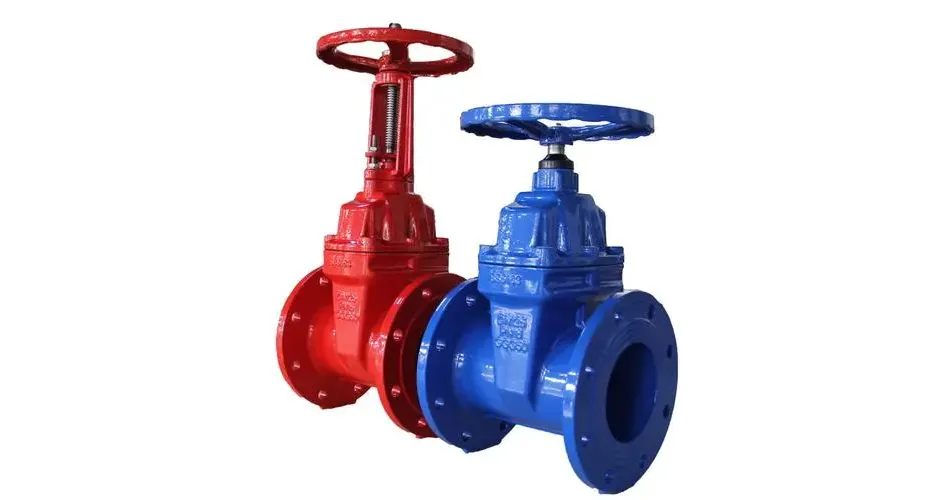
Introduction to Slow-Closing Check Valves The Slow-Closing Check Valve represents a significant advancement in hydraulic system technology, designed to address critical challenges such as water hammer, pressure surges, and flow control. This valve is engineered to regulate the speed of valve opening and closing, ensuring smooth operation and reducing mechanical stress on pipelines. As industries increasingly demand reliable and efficient fluid control solutions, the Slow-Closing Check Valve has emerged as a key component in modern hydraulic systems. Key Features and Advantages The Slow-Closing Check Valve is distinguished by its innovative design and exceptional performance characteristics. Below are some of its standout features: Novel Structure: The valve incorporates a unique design that optimizes fluid dynamics and minimizes turbulence. Superior Sealing: Advanced sealing technology ensures minimal leakage, even under high-pressure conditions. Low Resistance: The valve’s streamlined flow path reduces energy loss, enhancing system efficiency. Large Flow Capacity: Engineered to handle high flow rates without compromising performance. Extended Service Life: Durable materials and robust construction ensure long-term reliability. Adjustable Operation: Users can fine-tune the valve’s closing speed to match specific application requirements. These features collectively contribute to the valve’s ability to mitigate water hammer effects, a common issue in hydraulic systems caused by sudden changes in flow velocity. By slowing the valve’s closure, the Slow-Closing Check Valve significantly reduces the risk of pipe damage and system failure. Technical Specifications Parameter Specification Model 300X Slow-Closing Muffler Check Valve Flow Rate High-capacity, optimized for large flow rates Pressure Rating Up to 300 psi (varies based on model) Material Corrosion-resistant alloys for durability Sealing Mechanism Advanced elastomer or metal-to-metal sealing Adjustable Closing Speed Customizable to match system requirements Operating Temperature Range -20°C to 120°C Mounting Type Flanged or threaded connections Applications and Industry Use Cases The Slow-Closing Check Valve is versatile and suitable for a wide range of applications across various industries. Its ability to control flow velocity and reduce pressure surges makes it ideal for: Water Supply Systems: Preventing water hammer in municipal and industrial water distribution networks. Fire Protection Systems: Ensuring stable pressure during fire suppression operations. Industrial Pumps and Turbines: Protecting equipment from sudden flow changes and mechanical stress. Oil and Gas Pipelines: Mitigating pressure fluctuations in high-risk environments. HVAC Systems: Enhancing efficiency and reducing wear in heating and cooling systems. By integrating the Slow-Closing Check Valve into these systems, operators can achieve smoother operations, lower maintenance costs, and extended equipment lifespan. Company Background: Storaen (Cangzhou) International Trading Co. Storaen (Cangzhou) International Trading Co. is a leading provider of high-quality hydraulic components and industrial solutions. With a focus on innovation and customer satisfaction, the company has established itself as a trusted name in the global market. Their expertise in fluid control systems is reflected in the design and performance of the Slow-Closing Check Valve , which combines advanced engineering with practical application. Storaen’s commitment to quality is evident in their rigorous testing processes and adherence to international standards. The company’s products are used in diverse industries, including energy, manufacturing, and infrastructure, where reliability and performance are paramount. Industry Standards and Compliance The Slow-Closing Check Valve complies with industry standards to ensure safety, efficiency, and interoperability. Key standards include: NIST (National Institute of Standards and Technology) guidelines for measurement and testing procedures. ISO 5725 for accuracy and precision in measurement systems. ASME (American Society of Mechanical Engineers) standards for valve design and performance. These certifications underscore the valve’s reliability and its ability to meet the demands of modern industrial applications. For more information on NIST’s role in setting measurement standards, visit the NIST website . Conclusion The Slow-Closing Check Valve from Storaen (Cangzhou) International Trading Co. is a testament to the power of innovation in hydraulic engineering. Its advanced design, robust performance, and adaptability make it an essential component for industries seeking to enhance system efficiency and safety. By addressing common challenges such as water hammer and pressure surges, this valve not only improves operational reliability but also reduces maintenance costs and extends equipment lifespan. For more information about the Slow-Closing Check Valve and other products from Storaen, visit their official website .
about
3mm clear float glass
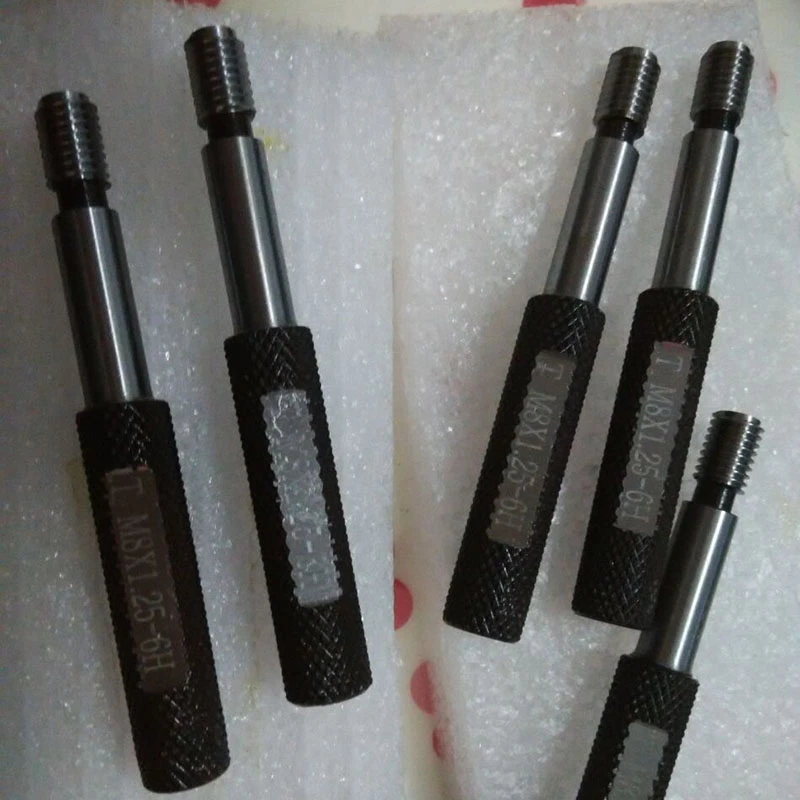
Understanding Small Hole Dial Bore Gauges A Comprehensive Guide In the world of precision engineering and manufacturing, the measurement of small holes is a task that requires exceptional accuracy and the right tools. One such tool that stands out in this domain is the small hole dial bore gauge. This specialized instrument is designed to measure the diameter of holes that are often too small for conventional measuring tools. In this article, we will explore the functionality, advantages, and applications of small hole dial bore gauges, thereby providing a comprehensive understanding of this invaluable tool. What is a Small Hole Dial Bore Gauge? A small hole dial bore gauge is a precise measuring device used primarily to determine the internal diameter of holes, particularly those with a diameter ranging from a few millimeters to several centimeters. Unlike typical calipers or micrometers, which may not be able to effectively handle small diameters or deep bore measurements, dial bore gauges have a unique design that facilitates accurate readings in tight spaces. The device consists of a dial indicator attached to a measuring body equipped with expandable probes. How Does It Work? The operation of a small hole dial bore gauge is relatively straightforward. The user inserts the gauge into the hole to be measured and expands the probes to make contact with the walls of the bore. The dial indicator then provides a reading of the diameter based on the position of the probes. The measurement process usually involves the following steps 1. Preparation Ensure the gauge is clean and free from debris. Confirm the gauge is calibrated and functioning correctly. 2. Insertion Carefully insert the bore gauge into the small hole. 3. Adjustment Expand the probes gently until they make contact with the walls of the bore. 4. Reading Observe the dial indicator to obtain the measurement. Note that zeroing the gauge before inserting it into the hole is crucial for accurate readings. Advantages of Using a Small Hole Dial Bore Gauge The small hole dial bore gauge offers several benefits, making it an essential tool for precision measurement 1. Accuracy One of the most significant advantages of a dial bore gauge is its high level of accuracy. Many gauges can provide measurements within just a few micrometers. 2. Ease of Use The design of dial bore gauges makes them user-friendly, even for those with limited experience in precision measurement. small hole dial bore gauge 3. Versatility Small hole dial bore gauges can be used in various applications across multiple industries, including automotive, aerospace, and manufacturing . 4. Real-time Measurement The immediate feedback provided by the dial indicator allows operators to make real-time adjustments to the machining process when necessary. 5. Durability Most small hole dial bore gauges are constructed from sturdy materials, ensuring longevity and reliability in demanding environments. Applications of Small Hole Dial Bore Gauges The small hole dial bore gauge is versatile and finds its application in several industries - Manufacturing In the production of components that require precise bore dimensions, such as in cylinders and bearings. - Automotive Used in measuring engine cylinders, fuel injectors, and other critical components that require tight tolerances. - Aerospace In applications where weight and performance are crucial, accurate measurements of small holes in structural components are indispensable. - Medical Devices Ensuring the proper functioning of small precision parts in medical equipment and devices demands reliable measurement tools. Conclusion In summary, the small hole dial bore gauge is an essential instrument for professionals engaged in precision engineering and manufacturing. Its ability to provide accurate measurements in small and deep holes makes it invaluable across various industries. As we continue to advance in technology and design, these gauges play a crucial role in ensuring quality control and precision in the manufacturing process. Understanding how to effectively use and maintain a small hole dial bore gauge can significantly contribute to achieving superior results in any project that demands meticulous attention to detail.
-

High quality industrial productsagement

High quality industrial products
View Details -

Meet the diverse needs of customers

Meet the diverse needs of customers
View Details -

Strict quality control

Strict quality control
View Details -

Top raw materials

Top raw materials
View Details -

Trusted supplier

Trusted supplier
View Details
Our application


news and information

Vanne à soupape flanquée 4 pouces pour applications industrielles et domestiques
Vanne à opercule de 4 pouces avec brides une solution fiable pour les systèmes de conduits Les vann
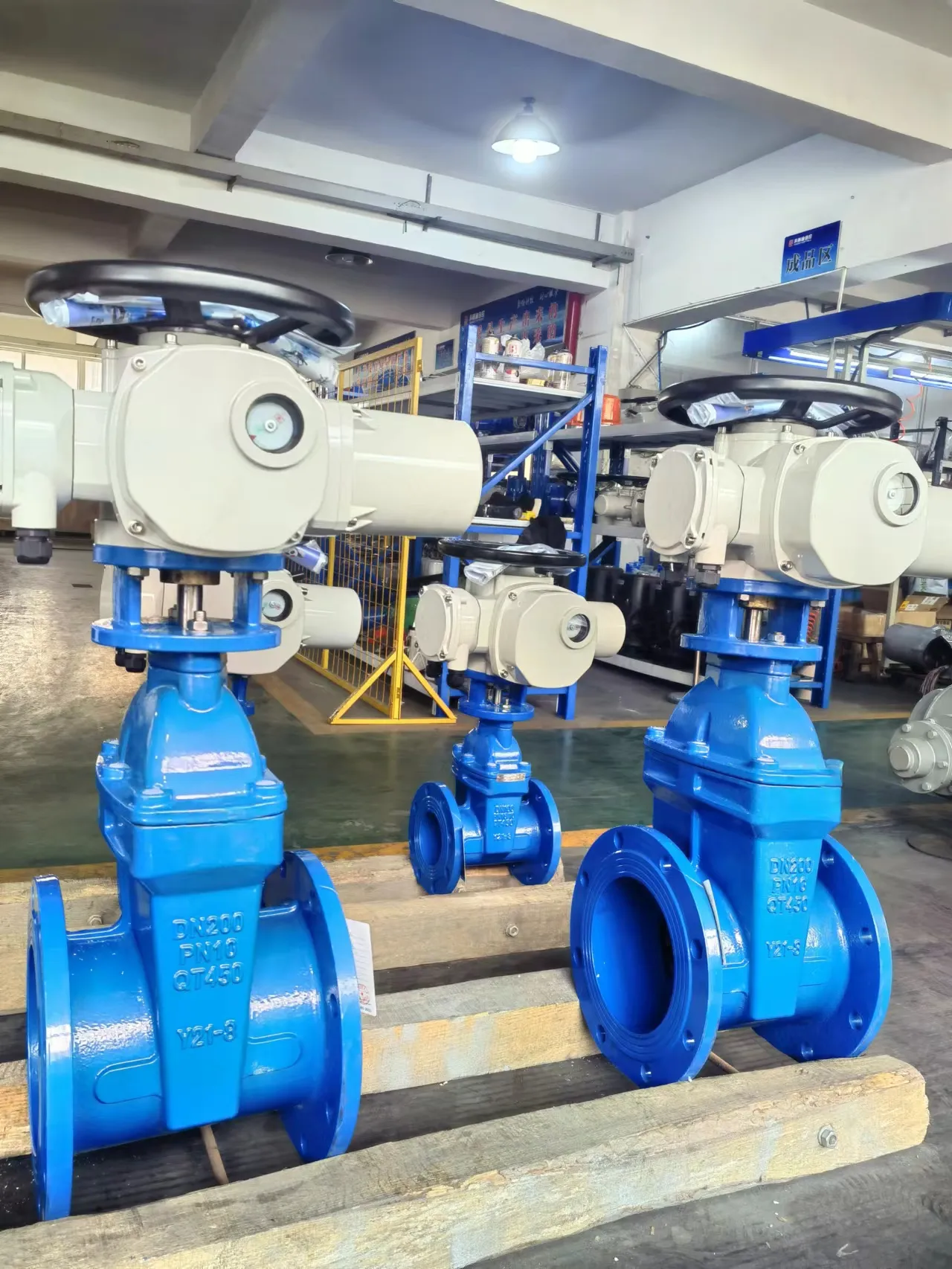
valvola di ritegno non slam
Valvole di Non Ritorno Un'Analisi Approfondita Le valvole di non ritorno, conosciute anche come valv
water line valve
Navigating Your Water Line Valve Needs An Expert Perspective For homeowners and industry professiona
 English